
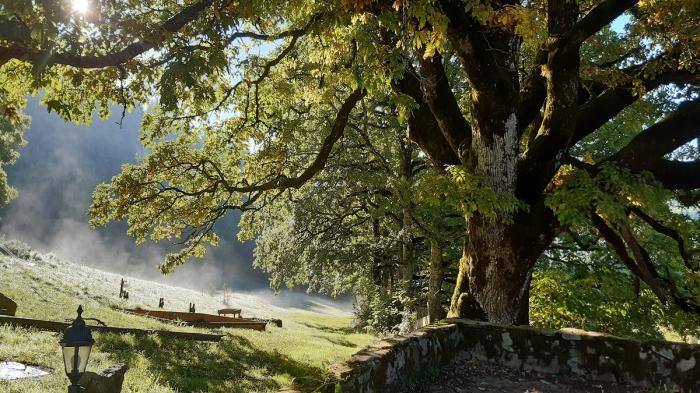
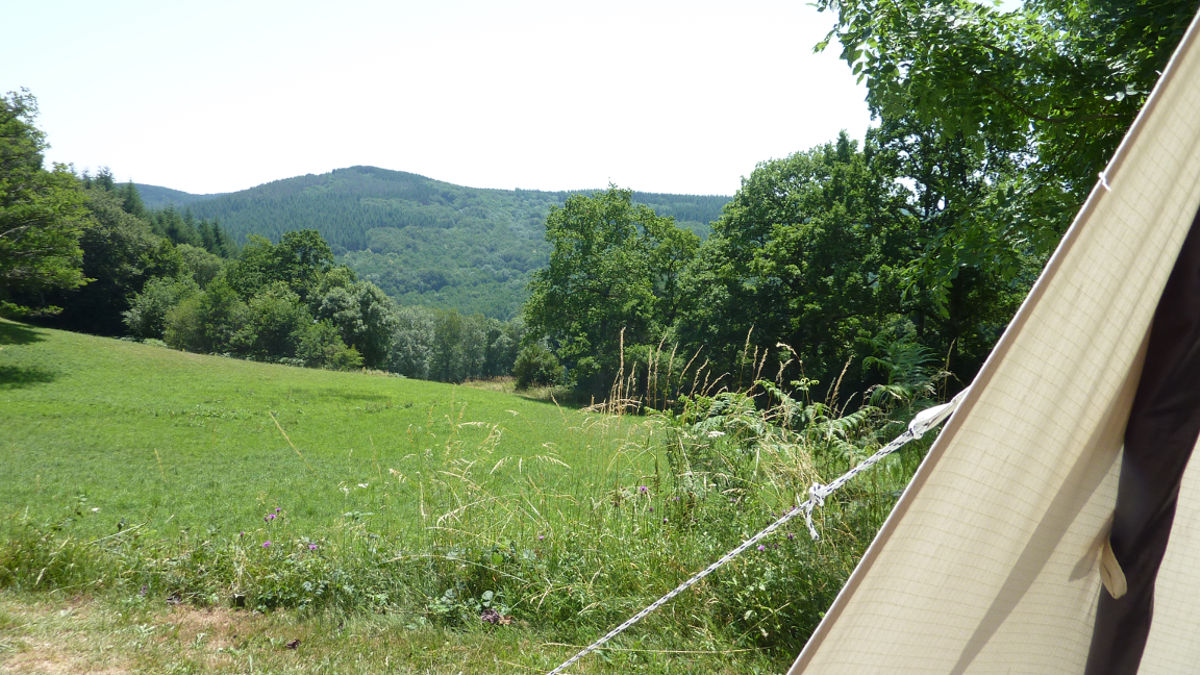
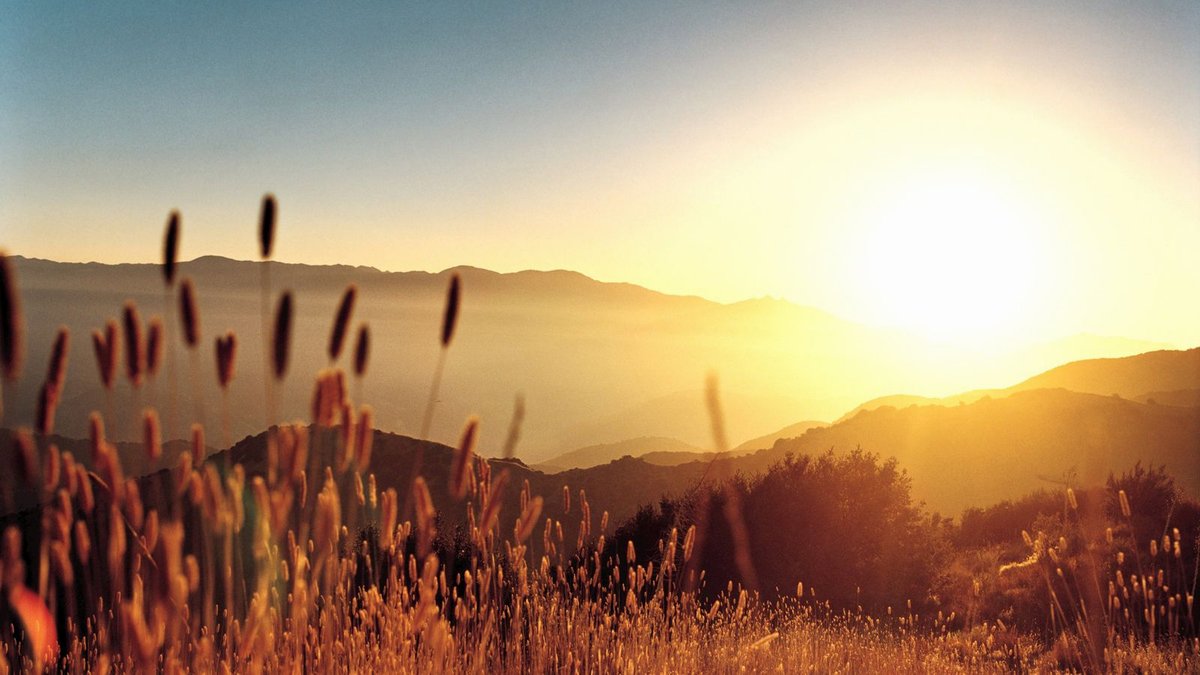
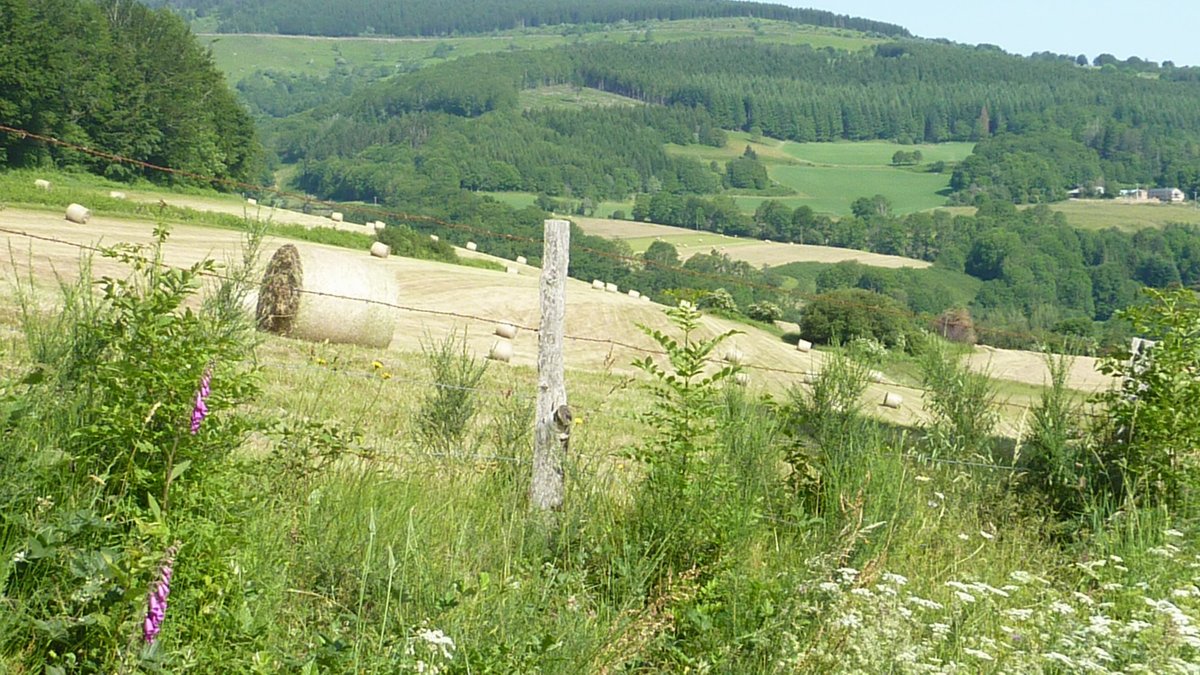
The parc naturel régional du Haut Languedoc exists since 1973 and aims to preserve and protect the natural resources in this beautiful area. This nature park is located in the departments, the Tarn and the Hérault, in the low mountain range at the edge of the southern foothills of the Massif Central with an area of 260.500 hectares. This nature park is exceptionally varied.
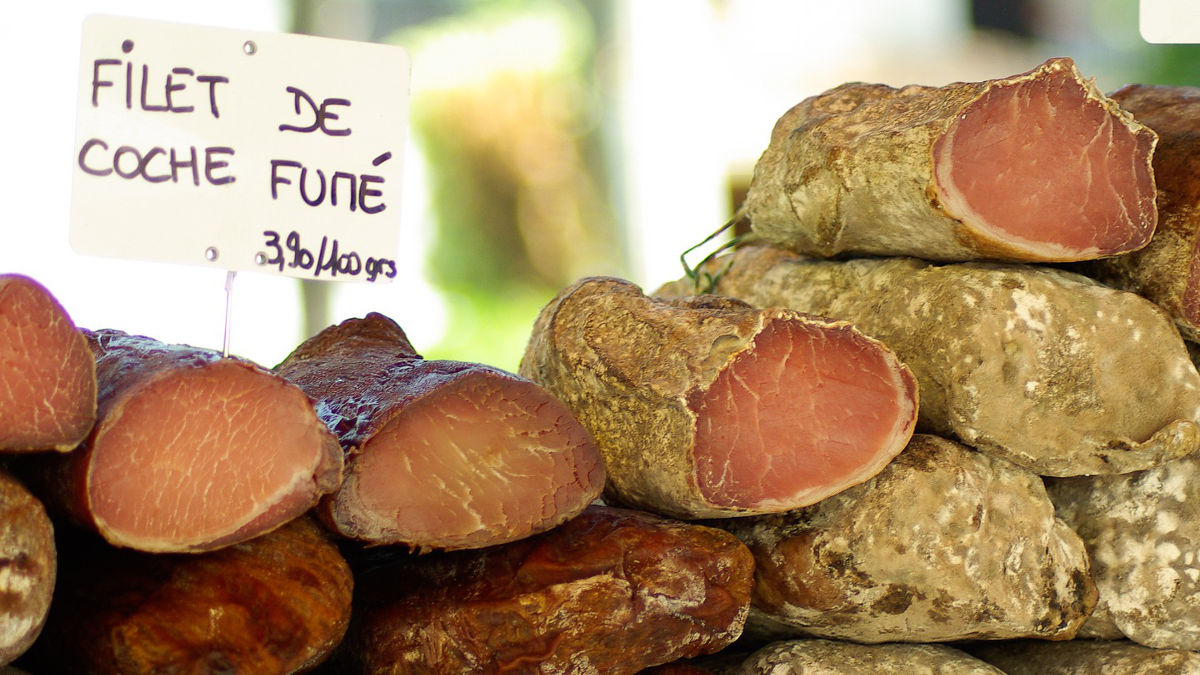
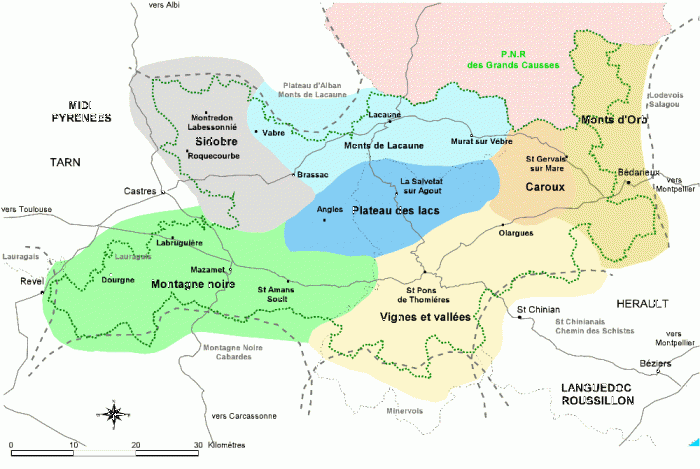
This nature park in the department the Tarn protects unusual places and varied landscapes. Mountain peaks and villages defines the beauty of this landscape. As the plateau with 4 lakes (Le plateau des Lacs) suitable for all kinds of water sports, the mountains of Lacaune well known for its sausages and raw hams makers (Monts de Lacaune). The granite boulders formed by erosion in Sidobre. The fragrant pine forests, beech forests and oak woods of the Black Mountain. On this Black Mountain with its peak of 1267 metres, you can discover nature.
Nature park the Haut-Languedoc
A park of unsurpassed beauty
In the Hérault you will find beautiful villages and towns to discover such as La Salvetat Sur Agout, Minerve, Olargues, Roquebrun, and many others.
Landscapes with vineyards, gorges such as the Gorges d'Heric in the village of Mons la Trivalle and the gap of Colombières, valleys and reliefs reveal themselves during the discovery. The massif of the Caroux-Espinouse.
You will find vineyards surrounded by mimosas, but also steep mountain passes, forested plateaus and extensive heaths.
This natural park has a wide variety of protected plants and animals, including many species of orchids, the yellow ornamental onion, mouflons, otter, deer, bats and birds of prey such as the hawk eagle.
Discover the flora and fauna
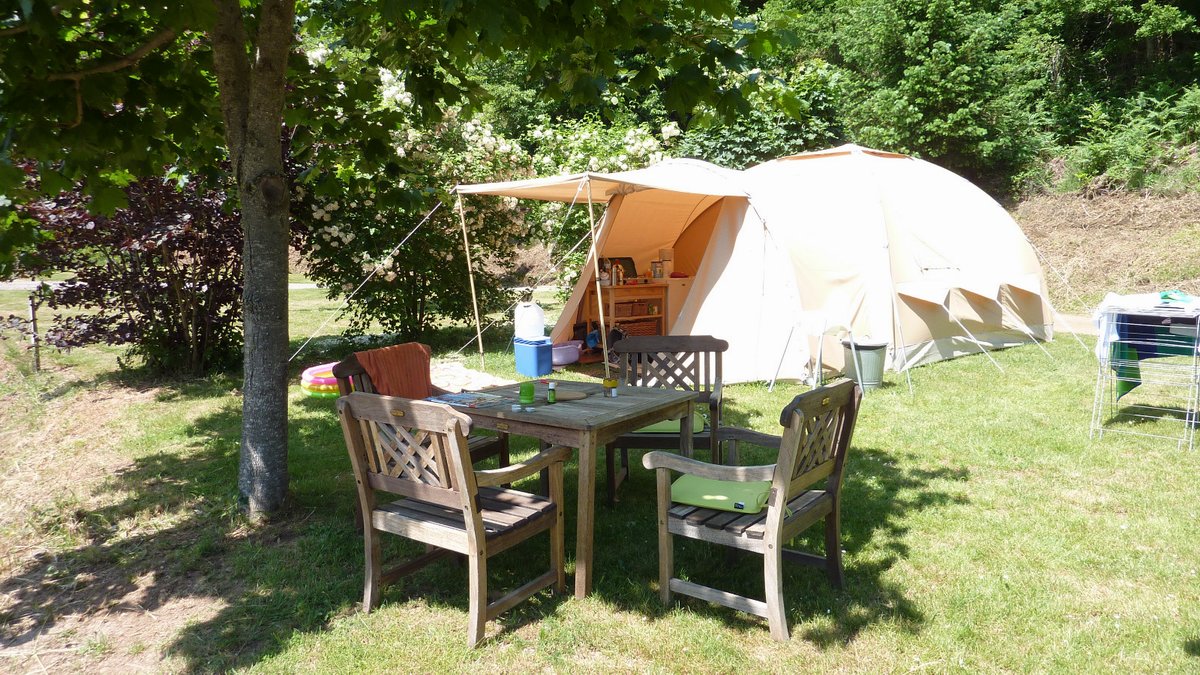
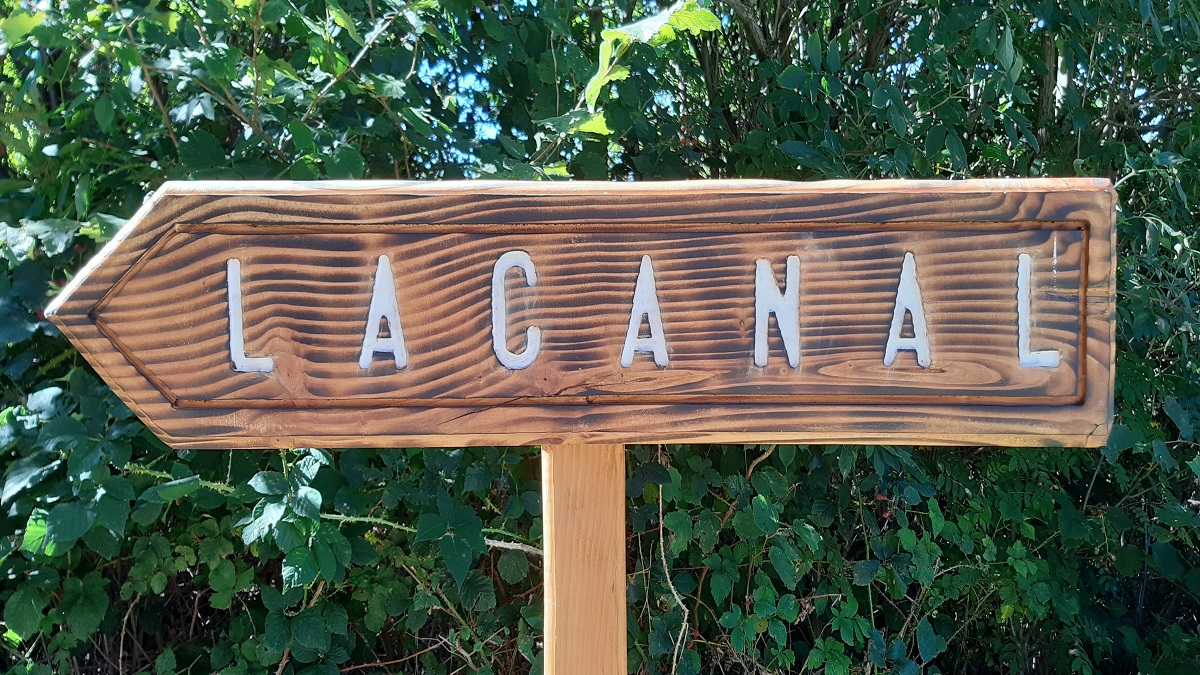
Small campsite Domaine Lacanal is located in the middle of the heart of the Parc Naturel Regional du Haut-Languedoc which is giving you new possibilities every day to go exploring in the surroundings and admire the fauna flora freely in a still unaffected nature.
Enjoy the region and the extraordinary nature that open up to you. On site is an information book in which your discovery routes in the vicinity can find.
Visit the sparkling mineral water bottling factorys Mont roucous and la Salvetat. In Lamalou les Bains you can cure in the healing spa water. Swim in the lake Laouzas, St Peyres, Raviège, Saut de Vésoles. Fishing in lakes or rivers the Agoût, the Jaur and the Mare with their fish-filled water.
More than 250 species of birds

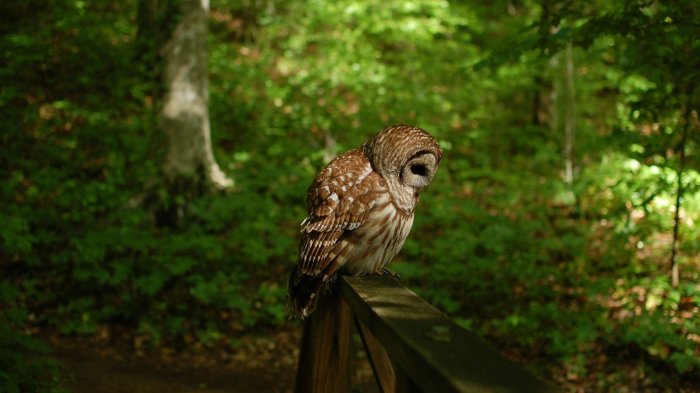
The tawny forest owl . . . oehoe
Extraordinary diversity of nature
In this varied landscape live many animal species, including 250 species of birds. You can find mouflons here, weasels, snake eagles, nightjars, green lizards, ancient forests with deciduous trees, several species of wild orchids and mosses.
The crescent-shaped ridge in the park provides a natural separation in water flows. North of this relief, the water flows to the Atlantic Ocean, to the South to the Mediterranean Sea.
Also the climate has both Atlantic and Mediterranean influences. Geologically, the park is interesting by recognizable hercynian folds and influences from the Eocene and Pliocene. Due to all these factors, and of course the landscape change with particular agricultural use, knows the park an extraordinary diversity of landscape.
Outdoor activities
In the East of the park, in the massif of the Caroux, pointy peaks rise, lie in the Western Sidobre legendary large, eroded boulders piled one on top. In the North reflecting the mirror of the reservoirs of lake Vésole, lake La Raviège, lake du Laouzas and lake Saint-Peyres in the low mountains around Lacaune, Anglès and Somail and in the South it feeds water from the Montagne Noire the famous Canal du Midi.
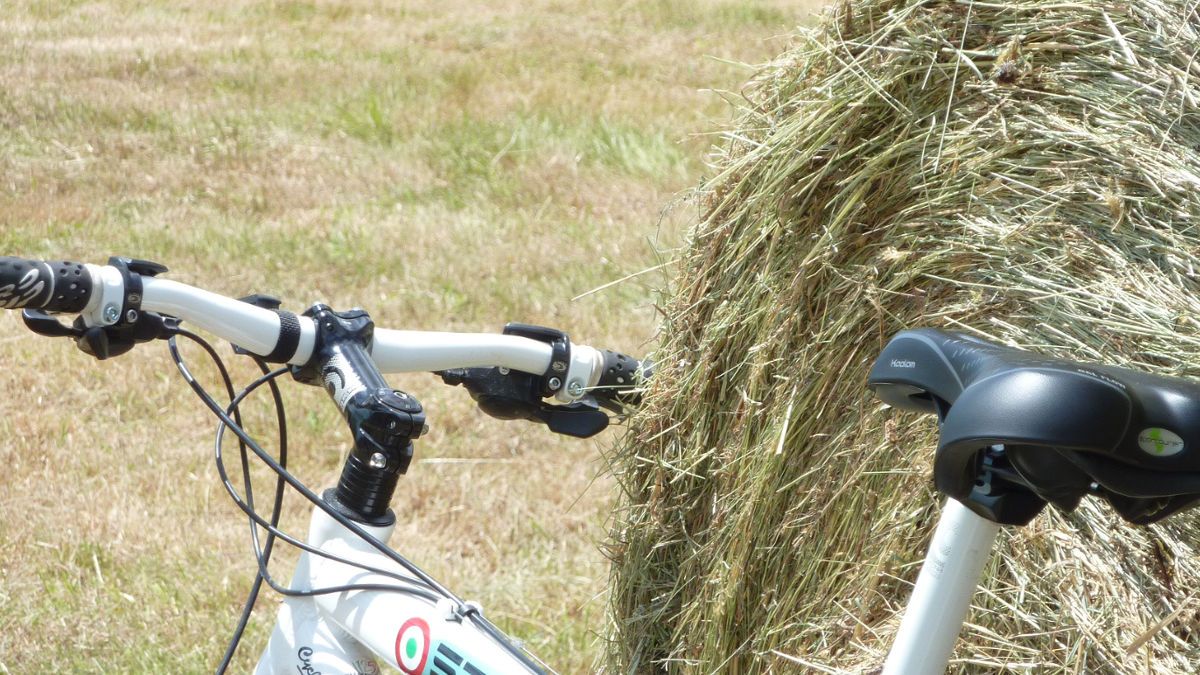
The Parc Naturel Regional du Haut-Languedoc is a regional nature area situated in the south of the Massif Central in the departments of the Tarn and Herault. The diversity and varied landscapes invite you to enjoy a variety of outdoor activities such as trekking or mountain biking over the Monts du Caroux and Espinouse. A bike ride along the green path "Passa Pais". Do you love climbing that is possible on the Monts Somail, Caroux, Espinouse, Marcou.
Wild snowdrops
.jpeg "Wild snowdrops bloom in the spring, and announce the spring to.")
Flora in de Tarn
.jpeg "Unknown beauty and rich flora and fauna")
Park naturel regional du Haut Languedoc
- Monts de Lacaune (Haut-Languedoc, Midi-Pyrénées, Languedoc-Roussillon, Tarn)
- Caroux-Espinouse (Haut-Languedoc, Midi-Pyrénées, Languedoc-Roussillon, Tarn et Hérault)
- Plateau des Lacs (Haut-Languedoc, Midi-Pyrénées, Languedoc-Roussillon, Tarn et Hérault)
- Sidobre (Haut-Languedoc, Midi-Pyrénées, Tarn)
- Vignes et Vallees (Languedoc-Roussillon, Hérault)
- Montagne Noire (Haut-Languedoc, Midi-Pyrénées, Tarn)
- Monts d'Orb (Haut-Languedoc, Midi-Pyrénées, Tarn and Hérault)
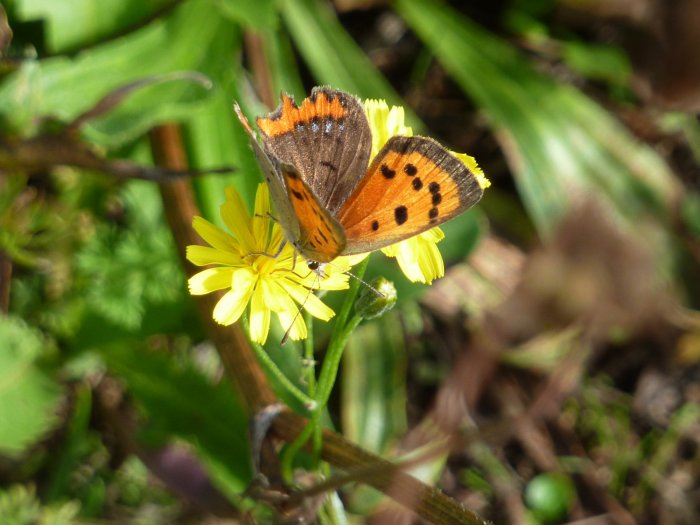
Forest pansy violets
.jpeg "The Forest Pansy is an edible flower, either raw or saccharified. Decorative with your food.")